Sobre el proyecto
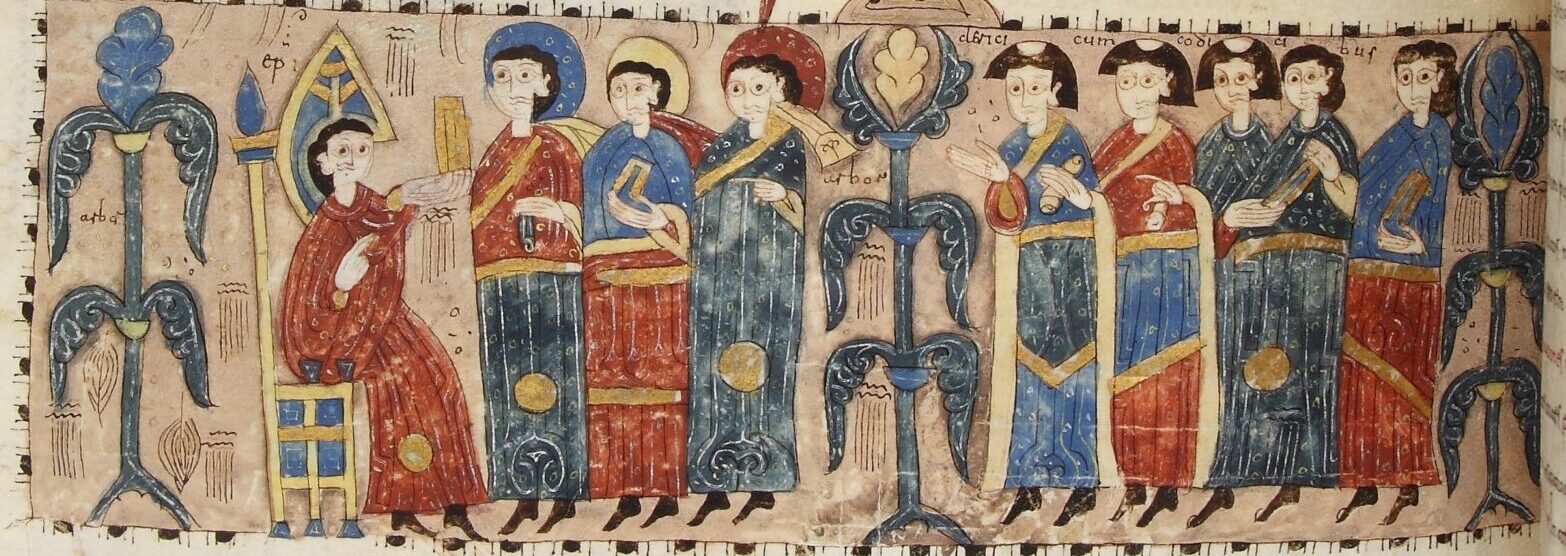
El proyecto espera arrojar luz sobre las condiciones de vida de las comunidades cristianas en al-Andalus en los siglos X y XI, que pueden ser estudiadas actualmente desde perspectivas diferentes gracias a nuevas fuentes escritas y arqueológicas, y a las nuevas interpretaciones en la historia de las minorías cristianas del dar al-Islam. El paso del califato omeya de Damasco al califato omeya de al-Andalus supuso una serie de cambios en las estructuras socioeconómicas de la Península que debieron afectar seriamente a la situación de los cristianos andalusíes. Con la disgregación de los reinos de Taifas, esta situación debió cambiar de nuevo. El estudio de la Colección Canónica Hispana (los famosos Concilios de Toledo) traducida al árabe para el obispo ‘Abd al-Malik en el siglo XI, conservada en el Real Monasterio de San Lorenzo de El Escorial y transmitida en latín en varios manuscritos procedentes de al-Andalus que se encuentran también en la Biblioteca Nacional de España, es de primordial importancia para acercarnos al desarrollo de las comunidades cristianas bajo dominio islámico en estos periodos. Las continuidades y transformaciones de la cultura visigótica se estudiarán en relación estrecha con las formas de rechazo o asimilación de las influencias culturales islámicas. En estas colecciones canónicas se adivinan nuevas percepciones del papel de la comunidad en el contexto social andalusí, así como las decisiones que debieron tomarse para amoldarse a los requisitos del poder islámico para mantener cierto grado de autonomía.
About the project
The process of conversion to Islam and the reduction of the number of Christians in al-Andalus had reached a new balance by the eleventh century, when the Umayyad Caliphate of the West sunk into crisis. When Arabic-speaking Christians in al-Andalus started to translate the Hispanic Canonical Collection from Latin into Arabic (Echevarría, 2014), the material they chose showed that Christian society had been subject to several changes due to its Islamic environment. While the original Hispana collection provided a specific set of synodal decrees issued by the Visigothic church of Iberia in the Councils held in Toledo (seventeen, between 397-702 AD), and some decrees from other North African and Ecumenical Church Councils, as well as papal decretals and episcopal letters, the Arabic version of the collection was specifically modified to suit the Christian judges, e.g. by also including civil law and further epistolographic material, thus diverting from the Latin versions of the same legal Collection. The social and legal developments shown by the specific selection and arrangement of the material prove the increasing “social Islamization” of Christians living in Muslim territories. Several of the books in which the Collection is divided defined the position of Arabic-speaking Christians with regard to their Muslim lords, to the Jews who were granted the dhimmi status like themselves, and to other Christian Churches of the Islamicate world (most notoriously, the East Syrian Church). Different strategies –and terms– were used to differentiate the Christian community from these other groups. Their perception and depiction of religious “otherness” reveals an especially conscientious effort to create certain barriers in their intra- and interreligious dealings, to prevent the conversion of Christians to Islam, and therefore, the weakening of their community.
The conditions of the native Christian communities in al-Andalus have usually been neglected on the grounds of lack of sources. Here the Arabic Canon Collection, contrasted with epigraphy, narrative, polemics and other legal sources, as well as archaeological excavations, can provide new information on how the socio-economic structures implemented in al-Andalus by Muslims did affect the existing organization of the Christian people and the Church. Closely related to this economic role is the social importance of Christian leaders: Once determined that bishops and some remnants of the Visigoth nobility were responsible for the more or less peaceful change from Visigothic to Islamic rule, we still need to know in what terms was their leadership conceived, and to what extent did their power overlap with that of Muslim lords. The disappearance of local power structures must have conditioned the influence of Christian leaders in the surrounding rural areas.
A further aim of this project is to study social and intellectual changes in the light of the relationships of Andalusi Christians with Muslims, Jews and in particular Eastern Christian communities of various doctrinal orientations. Links between Western and Eastern ecclesiastical centres and monasteries show the relationship between Christian communities on both sides of the Mediterranean. Also, the use of liturgical books and saints’ names and cults can help to trace the ways of Eastern Christianity inside the Iberian Peninsula. It is important to determine the place of those issues in the formation of a specific identity of the Andalusi Arabic-speaking Christians. The other fundamental question is the degree of Arabization and Islamization of these Christians precisely in the eleventh century (as opposed to approaches that do not take into account the evolution of these processes in several centuries). Therefore, it is necessary to study the literary production of Andalusi Christians written in different languages together, in a common framework, which has not been attempted because Latin and Arabic scholars have analysed it separately.
Entrevista con Jesús Lorenzo y Ana Echevarría sobre el proyecto, en RadioUNED: