
Durante los últimos años, ha aumentado el interés sobre la presencia de musulmanes en los reinos cristianos de la Península Ibérica, tanto a nivel académico como entre público en general. Sin embargo, la mayoría de los estudios existentes se centran sobre comunidades urbanas, que en muchas ocasiones se enmarcaban en áreas de realengo. Con el fin de complementar estas investigaciones, el objetivo de este proyecto es analizar las comunidades mudéjares en áreas de señorío durante la Edad Media Peninsular. Para ello, se empleará como caso principal las tierras bajo el dominio de las órdenes militares, estableciendo puntos de comparación con ejemplos de señorío tanto laico como religioso en la Castilla y la Corona de Aragón en la Baja Edad Media. Aunque no exclusivamente, se trata en muchos casos de comunidades rurales y localizadas en pequeños núcleos poblacionales que no llegan a ser plenamente urbanos. Los estudios elaborados hasta el momento han demostrado cómo los mudéjares no constituyeron una realidad monolítica. Efectivamente, las comunidades musulmanas bajo dominio cristiano se encontraron bajo una gran variedad de condiciones y circunstancias, lo cual dio lugar a que las manifestaciones de este fenómeno fueran muy diferentes. Sus rasgos se transformaron a lo largo del tiempo y se vieron determinados por las propias características de estas comunidades y por las circunstancias particulares de cómo se insertaron en las distintas sociales, administrativas y jurisdiccionales de su época a distintos niveles (concejil, regional y de reino), los cuales son clave para comprender la identidad y evolución de cada una, pero también el funcionamiento de los mecanismos por los cuales operaba. En este contexto, no hay duda de que la presencia y administración de comunidades e individuos mudéjares en tierras de señorío es de gran interés, pues en ellas se da una superposición de ámbitos jurisdiccionales de distinta naturaleza según el tipo de señorío y las condiciones de su concesión. Esto a su vez, da posibilidad a encontrar a múltiples configuraciones que permiten identificar la importancia de cada factor en juego.
El objetivo de este proyecto es analizar las comunidades mudéjares en áreas de señorío durante la Edad Media Peninsular. Para ello, se empleará como caso principal las tierras bajo el dominio de las órdenes militares, estableciendo puntos de comparación con ejemplos de señorío tanto laico como religioso en la Castilla y la Corona de Aragón en la Baja Edad Media. Aunque no exclusivamente, se trata en muchos casos de comunidades rurales y localizadas en pequeños núcleos poblacionales que no llegan a ser plenamente urbanos. Estos grupos tradicionalmente han recibido menos interés en la historiografía. Todavía está pendiente realizar una aproximación que vaya más allá de los casos individuales. Un análisis comparativo permitirá obtener una visión integrada al respecto.

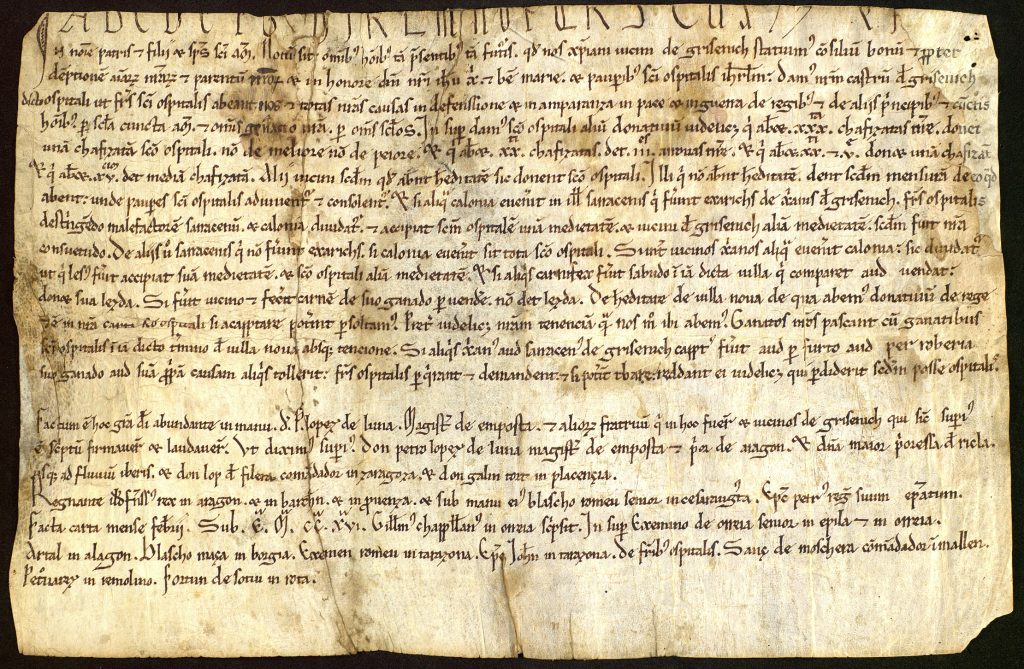
Por esa razón los objetivos principales del proyecto son:
– Detectar formas de encuadramiento administrativo y territorial de comunidades en tierras de señorío.
– Investigar relaciones de dominio con sus señores y los efectos de la superposición de distintos ámbitos jurisdiccionales, tanto a nivel individual como colectivo.
– Explorar las formas de organización interna de estas comunidades, incluyendo características y atribuciones de los oficiales y órganos de gobierno de la comunidad musulmana, funcionamiento de obligaciones hacia los cristianos y hacia sí mismos, y relaciones las autoridades cristianas.
Con el apoyo del Programa de Atracción de Talento de la Comunidad de Madrid y de la UNED se espera profundizar en el conocimiento de este fenómeno asociado a la presencia musulmana en los reinos cristianos peninsulares y dar visibilidad a este tema.
During the last years, interest in the presence of Muslims in the Christian kingdoms of the Iberian Peninsula has increased, both at the academic level and among the general public. However, the majority of existing studies focus on urban communities, which were often situated in royal areas. In order to complement these investigations, the aim of this project is to analyze the Mudéjar communities in seigniorial areas during the Medieval period of the Iberian Peninsula. For this purpose, the lands under the dominion of the military orders will be employed as the main case, establishing points of comparison with examples of both secular and religious lordship in Castile and the Crown of Aragon during the Late Middle Ages. Although not exclusively, in many cases, these are rural communities located in small population centers that do not become fully urban. The studies carried out so far have shown how the Mudéjars did not constitute a monolithic reality. Indeed, Muslim communities under Christian rule found themselves under a wide variety of conditions and circumstances, which resulted in very different manifestations of this phenomenon. Their characteristics transformed over time and were determined by the specific features of these communities and by the particular circumstances of how they were integrated into the different social, administrative, and jurisdictional spheres of their time at various levels (municipal, regional, and at the kingdom level), which are crucial for understanding the identity and evolution of each, as well as the functioning of the mechanisms by which they operated. In this context, there is no doubt that the presence and administration of Mudéjar communities and individuals in seigniorial lands are of great interest, as they involve an overlap of jurisdictional areas of different nature depending on the type of lordship and the conditions of its concession. This, in turn, allows for the identification of multiple configurations that help to identify the importance of each factor at play.
The objective of this project is to analyze the Mudéjar communities in seigneurial areas during the Peninsular Middle Ages. For this purpose, the lands under the dominion of the military orders will be employed as the main case, establishing points of comparison with examples of both secular and religious lordship in Castile and the Crown of Aragon in the Late Middle Ages. Although not exclusively, these are in many cases rural communities located in small population centers that do not fully reach urban status. Traditionally, these groups have received less interest in historiography. There is still a need to go beyond individual cases. A comparative analysis will allow for a more integrated understanding in this regard.
For that reason, the main objectives of the project are:
-To detect forms of administrative and territorial framing of communities in seigneurial lands.
-To investigate relationships of dominion with their lords and the effects of the superimposition of different jurisdictional spheres, both at an individual and collective level.
-To explore the forms of internal organization of these communities, including the characteristics and attributions of the officials and governing bodies of the Muslim community, the functioning of obligations towards Christians and themselves, and the relations with Christian authorities.
With the support of the Talent Attraction Program of the Community of Madrid and the UNED, this project will deepen the understanding of this phenomenon associated with the Muslim presence in the Peninsular Christian kingdoms and bring visibility to this issue.